Questions to ask the subconscious during quantum healing hypnosis QHHT
A common question that people have once they have decided to have a Quantum Healing Hypnosis Technique session is: What questions should I ask The Subconscious (Higher Self)?
It can sometimes take clients by surprise to hear they need 5-10 questions to ask The Subconscious during QHHT.
Level 3 QHHT practitioner Marilyn Dyke put it best when she said: “If the question isn’t asked there will be no answer.“ Here are some suggestions to help you figure out your questions!
“It is amazing to realize what a marvelously complex series of events are constantly being woven behind our backs without our knowledge. It seems that everything has a meaning, if not in our lives, then in someone else’s. It is also reassuring that a higher intelligence is keeping track of it all.”
― Five Lives Remembered

Past Life and Past Life Trauma
- Did I know this person in a past life? (Be specific: spouse, child, parent, friend, teacher, etc.)
- Is there anyone in my current life that I knew in a past life?
- Do I have a soul contract with this specific person?
- Who do I have soul contracts with?
- Have I met my soul family yet?
- Is there anything that I should do to help me meet my soul family?
- Is an emotional issue that I’m experiencing is this life related to a past life or past life trauma?
- Have I had past lives on other planets?
What Questions Should I Ask during QHHT?
To help you find suggestions that are helpful for you, I have broken this down into various categories. Remember, these are just examples, you can create your own question based on these suggestions! It’s also okay to ask a question exactly as it appears here. If you feel like you need more guidance, we can talk about it during the interview portion of your session.
Physical Health, Illness, and Wellness
- What can I do to improve my physical health?
- Do I have any blocks that are keeping me from experiencing optimal health and wellness? Can you remove those blocks?
- Why am I experiencing this health issue or illness?
- Can you heal this health issue?
- What am I supposed to learn from this health issue?
- What is keeping this health issue from resolving?
- How can I better learn what I need to from sickness and illness when they arise?
- Is this health issue related to a past life?
- What areas of my body need additional healing? Can you heal them?
- Is there anything that I need to do to improve my overall wellness that I am not already doing?
Current Life Purpose & Meaning
- Am I living in alignment with my soul’s purpose?
- What is my soul’s purpose?
- Can you remove any blocks preventing me from living my soul’s purpose?
- What can I do to better align with my soul’s purpose?
- Do I have any soul contracts that no longer serve me?
- Am I a Starseed?
- Am I living in the place where I am meant to live?
- Is there any work that I need to be doing that I am not already?
- What can I do to add more meaning to my life?
- What can I do to make sure my decisions align with my Highest Good?
- Why did I have a particular experience? Have I learned from it what I needed to?
- How can I better understand what an experience is trying to teach me?
Spiritual life
- How can I be more spiritually connected?
- What Ancestors are with me?
- Who are my Spirit Guides?
- How can I better connect with my Spirit Guides/Ancestors/Spirit.
- Can you remove any blocks that are keeping me from having a deeper connection with my Spirit Guides/Ancestors/Spirit.
- What can I do daily that will help me feel more connected?
- Is there anything I should stop doing because it no longer serves me?
- How can I meet my spiritual teacher/mentor?
- How can I become more intuitive/psychic?
- Can you remove any blocks that are keeping me from being intuitive/psychic?
- Was a particular experience I had paranormal?
- How can I better interpret dreams or visions that I have?
- How do I know that channeled messages are for my Highest Good?
Love & Relationships
- When will I met my soulmate/Have I met my soulmate?
- Can you remove any blocks keeping me from meeting my soulmate?
- Why do I fall in love so easily?
- Why do I fall in love with the wrong people?
- Why did I have a particular romantic experience or breakup? Have I learned from it what I needed to?
- How can I better understand what a relationship is trying to teach me?
- What does my partner need from me that they aren’t sharing?
- What is keeping me from finding a healthy and lasting relationship?
- Can you remove any blocks that are keeping me from finding a healthy and lasting relationship?
Career & Job
- Am I in the right job?
- Should I go back to school?
- Should I change careers?
- Is my career in alignment with my soul purpose?
- What can I do to feel happier and more fulfilled in my job?
- Can you remove any blocks that are keeping me from feeling happy and fulfilled in my job?
- Why do I have conflict with my coworker or boss?
- Can you remove any blocks that are keeping me from having a good relationship with my coworker or boss?
- Should I leave my job and be a full-time parent?
- Is there a creative job or hobby I need to be doing that I am not?
Family
- Am I supposed to have children?
- Can you remove any physical, emotional, or spiritual blocks keeping me from having children?
- What can I do to be a better parent?
- What does my child want me to know about their soul journey?
- What can I do to better support my child?
- Did I know my child in a past life?
- Did I know my mother/father/sibling in a past life?
- How can I forgive a family member for something they did to hurt me?
- Can you remove any blocks keeping me from forgiving a family member?
- How can I better express my emotions to my spouse? Can you remove any blocks keeping me from doing so?
- Do I have soul contracts with any of my family members?
Emotional
- How can I let go of anger/resentment? Can you remove any blocks keeping me from doing so?
- How can I let go of fear or a particular fear? Can you remove any blocks that are keeping me from moving past it?
- Why am I afraid of this particular thing or experience? How can I move past it?
- Why am I depressed/anxious? Can you remove blocks keeping me from resolving depression/anxiety?
- How can I move past trauma? Can you remove and blocks keeping me from doing so?
- What should I do to be happier?
- How can I better express my emotions? Can you remove any blocks keeping me from doing so?
- Why do I have trouble figuring out what I am feeling?
- Why do I become overwhelmed by emotions?
Existential
- What is a soul?
- What are you (the Subconscious)?
- What/Who is God?
- Why do humans perceive time linearly?
- How was the Earth created?
- Is there life on other planets?
- What planet do I originate from?
- Why does bad/evil exist?
- Why do humans hate each other?
- Am I doing my part to create love in the world? Is there anything more I can do?
- How can I help to raise the vibration of the planet/humanity.
- Are there parallel universes? Are we able to “timeline hop?”
Misc/Silly
- Are mermaids/fairies/dragons real?
- Where is the lost city of Atlantis?
- Did giants ever exist?
- Is magic real?
- Why can’t humans fly?
- Are ghosts real? What are they?
- Did I ever live in a castle in any past lives?
Ask any question that you want!
As you can see, there is really no parameters to the questions that you can ask the Subconscious (Higher Self.) If you have different questions, please write your own! This is just to help inspire you. Remember, They may not answer a question if it is not for your highest good. They may also choose not to remove a block or heal something if you do not truly want Them to. We always have free will. They may also choose not to because of a soul contract that you have made but They will let you know why if they will not do something.


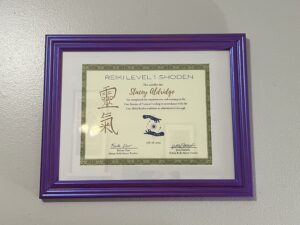
Stacey Aldridge
Stacey is the founder of Kaia Holistic Wellness. She is a Reiki Master, QHHT Practitioner, Certified Holistic Health & Wellness Coach. If you are interested in Quantum Healing Hypnosis with Stacey, schedule a discovery call now!
As always, this post was written without the use of AI.